

Blog
A high-tech enterprise specializing in the research and development, production, and import and export trade of rescue equipment

Contact Information
Phone:86 010-51284966
Phone:86 18518110097
E-mail:bjsbl_sale@163.com
Address: Room 403, Building B, Xinhua International Center, Huaxiang, Fengtai District, Beijing
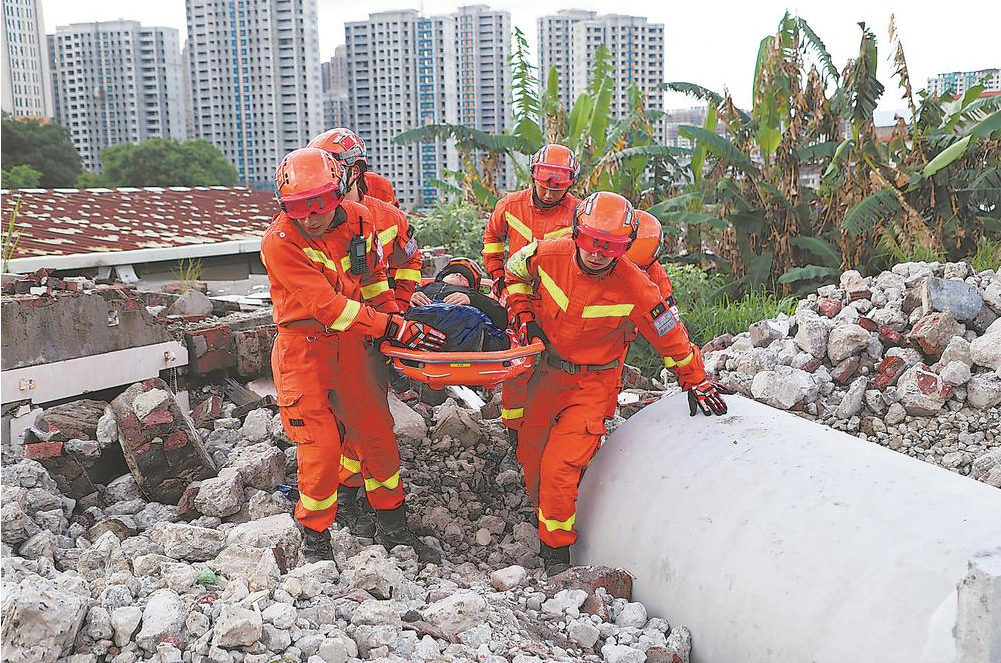
This introduces what an infrared life detector is and its uses.
2021-09-24
Let me introduce what an infrared life detector is and its uses.
What does an infrared life detector look like?
Does an infrared life detector sound expensive? I think my companions may think that an infrared life detector is a large and heavy instrument, like a hospital monitoring life signs. No, the life detector is small and easy for us to carry. Let's take a look at the life detectors from Sichuan Xuxin as a reference.
Snake Eye Infrared Life Detector
The Snake Eye Infrared Life Detector SD2.0PLUS is especially suitable for rescue in confined spaces. It features a 3.5-inch high-definition adjustable LCD screen for clear images, a flexible waterproof probe; it uses 2.4G wireless transmission with a detection depth of up to 5 meters and a wireless distance of up to 50 meters; an optional video image storage card is available.
Applicable scenarios for infrared life detectors:
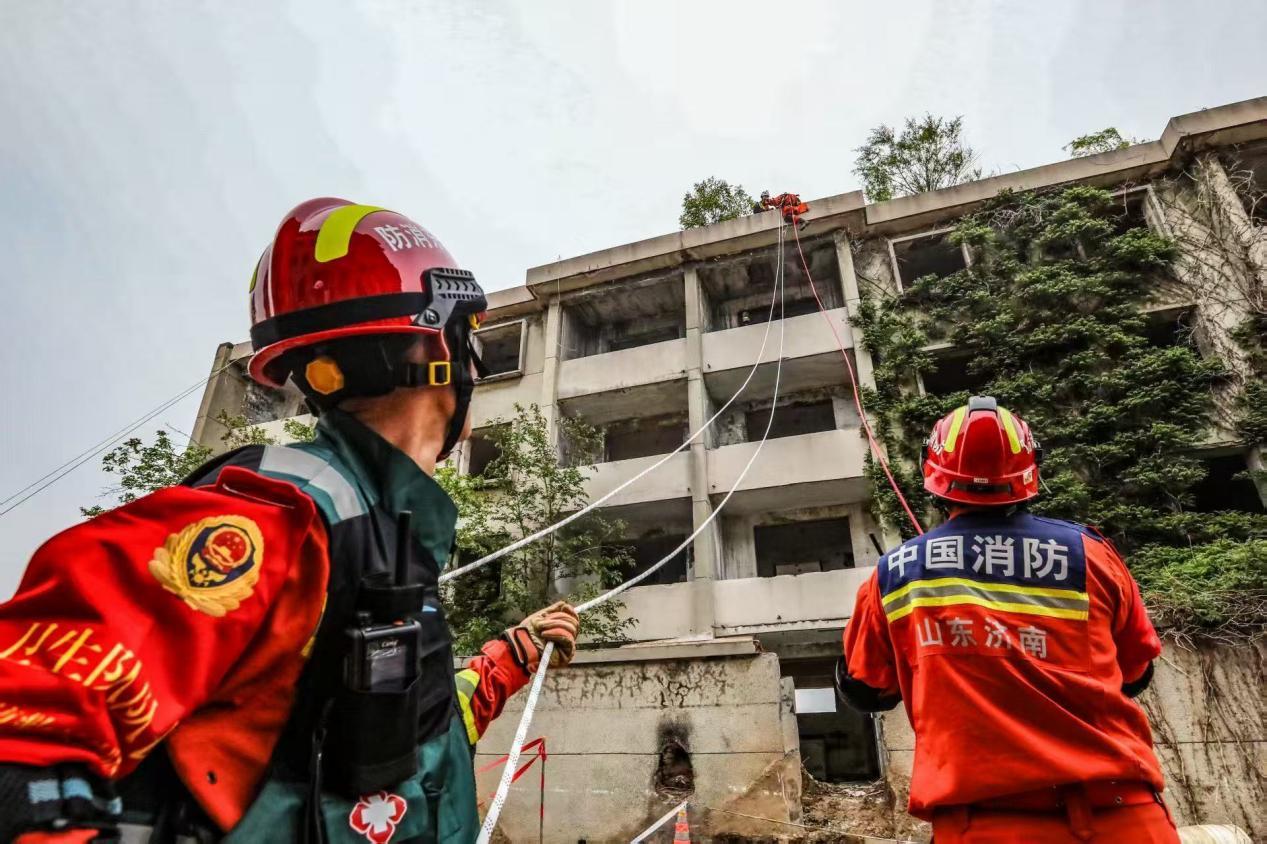
Earthquake, collapse, building collapse, life detection and rescue under rubble.
Market Research and Future Development Trend Report of Infrared Life Detectors
An infrared life detector is a widely used search and rescue instrument that passively detects the direction of living beings. It can penetrate various obstacles such as steel plates, cement, composite materials, and bushes, and is widely used in military, customs, maritime patrol, fire fighting, security, rescue, and aerospace departments.
According to different principles, they are divided into optical life detectors. Currently, life detectors are mainly divided into four types: audio, video, infrared, and radar life detectors. The working principles vary depending on the type.
Features of infrared life detectors:
1. Instantaneous mobile detection, can penetrate concrete, brick, snow, ice and mud; detects movement, and can work in various climates.
2. It is intuitive and easy to learn, requiring little professional training, has low power requirements, requires almost no system maintenance, and the firmware can be upgraded via wireless or wired networks.
3. No need for drilling or cable configuration, quiet processing environment, making search and rescue work easier. In time-critical rescue operations, life detectors can help rescue teams quickly, accurately, and safely locate survivors. The life detector industry report provides a detailed analysis of life detectors, including domestic market analysis, overseas market analysis, market supply and demand analysis, investment prospect analysis, and market risk analysis. Finally, the life detector research report provides a forecast of the future of the life detector industry.
Contact Information
Phone:8618518110097
E-mail:bjsbl_sale@163.com
Address: Room 403, Building B, Xinhua International Center, Huaxiang, Fengtai District, Beijing
- Official Account -
- Business Inquiry -


