

Blog
A high-tech enterprise specializing in the research and development, production, and import and export trade of rescue equipment

Contact Information
Phone:86 010-51284966
Phone:86 18518110097
E-mail:bjsbl_sale@163.com
Address: Room 403, Building B, Xinhua International Center, Huaxiang, Fengtai District, Beijing
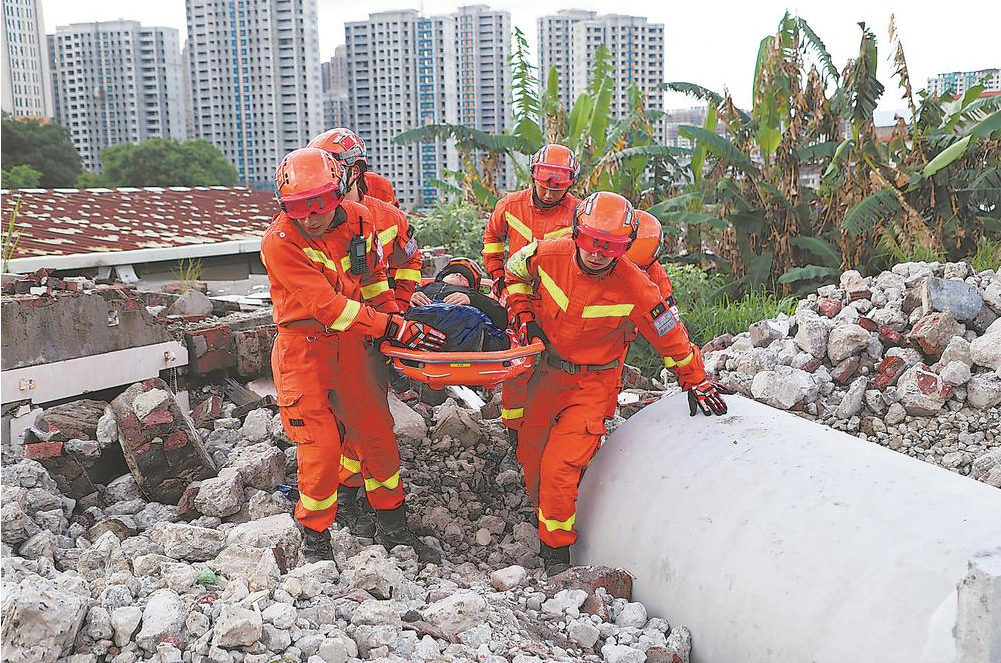
Tianshui Fire and Rescue Detachment successfully conducts high-tech rescue equipment training
2024-11-18
Recently, the Tianshui City Fire and Rescue Detachment held a professional training session on aftershock monitoring instruments, radar life detection instruments, and video life detection instruments, aiming to enhance the response capabilities and rescue efficiency of fire and rescue personnel in complex disaster environments. This training received unanimous praise from the users, not only enhancing the practical skills of the team members but also further promoting the in-depth application of modern technology in rescue work.

This training covered three high-tech rescue devices: aftershock monitoring instruments, radar life detection instruments, and video life detection instruments. The aftershock monitoring instrument can quickly capture and analyze seismic wave signals after an earthquake occurs, predict the probability and intensity of aftershocks, and provide a valuable time window for rescue teams to ensure they carry out rescue operations in a safe environment.

The core technology of the radar life detection instrument is ultra-wideband technology. It judges the presence or absence of life characteristics through the Doppler effect of electromagnetic waves produced by human movement or breathing. When the detector emits electromagnetic waves, if it encounters life activities such as breathing or movement, the frequency of the returning electromagnetic waves will change. After the receiver receives the feedback signal, through a series of technical processing, it can display abnormal points, which may be the location of a living being. This device effectively overcomes the limitations of traditional search and rescue methods in complex environments, such as low efficiency of manual search, limited operating space of optical instruments, and susceptibility of audio instruments to noise interference.

The video life detection instrument combines audio monitoring and video detection functions. Through high-sensitivity audio probes and vibration sensors, it can capture weak sounds and vibration signals emitted by trapped people under the rubble. These signals, after being filtered and enhanced by the built-in digital signal processor, can be clearly presented to the rescuers' eyes and ears. A high-resolution color camera can transmit live video images, providing rescuers with intuitive information feedback and helping them understand the site structure, obstacle distribution, etc., to formulate more scientific and reasonable rescue plans.

During the training, all fire and rescue personnel systematically learned the principles, functions, and operation methods of the three devices and, combined with actual disaster relief, mastered their work processes and precautions. Through various teaching methods such as theoretical explanations, demonstrations, and practical operations, the trainees not only deepened their understanding of the equipment's performance but also improved their practical operation capabilities.
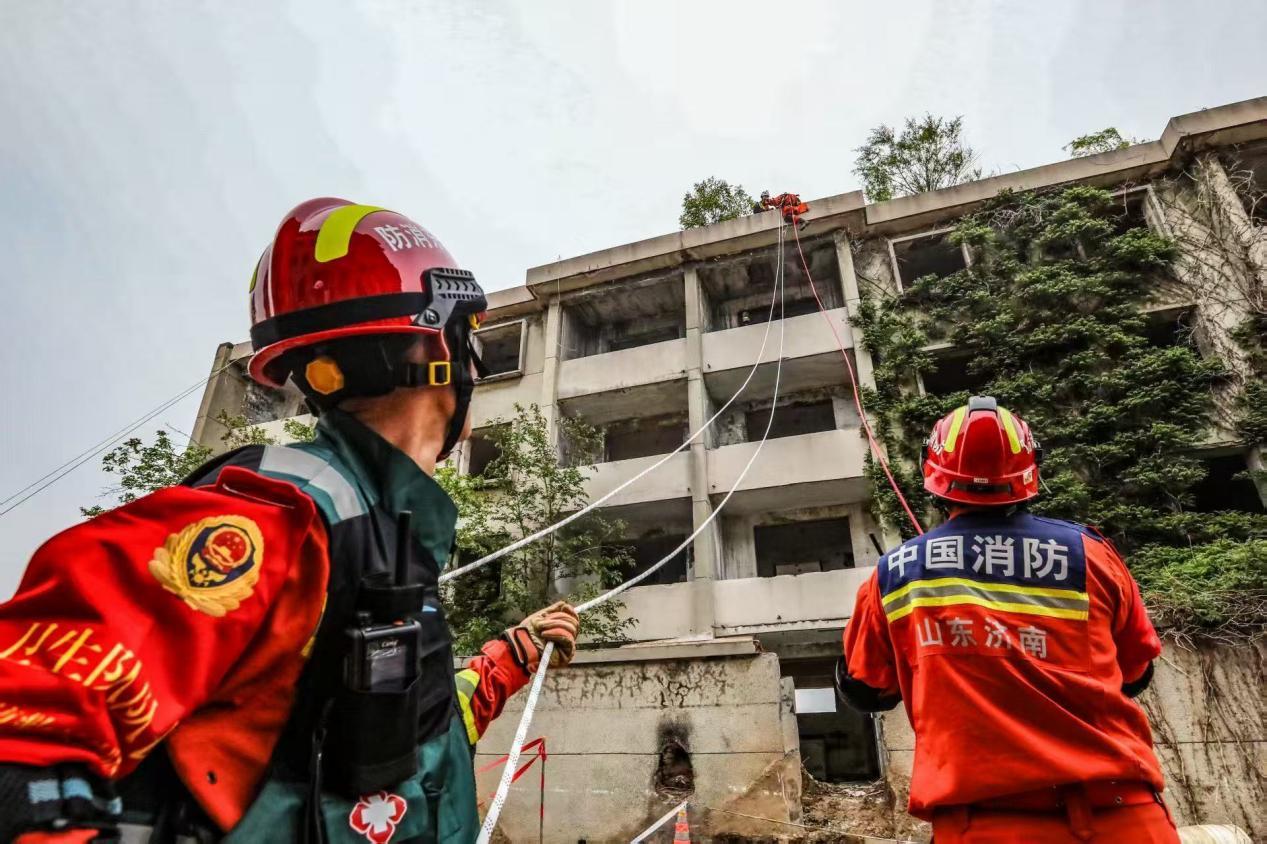
In the practical operation session, the trainees used the camp training tower to conduct practical operations on the radar life detection instrument and the video life detection instrument, truly achieving understanding of equipment assembly, functional use, and proficient operation. Through hands-on operation of the equipment, they became familiar with the maintenance and precautions of the equipment, ensuring that the equipment's maximum effectiveness can be fully utilized in future rescue and disaster relief incidents.
This training received unanimous praise from the users. Trainees said that with the help of modern technological equipment, they are full of confidence in future disaster response and rescue work. They will further master the usage methods and technical performance of these devices to ensure that they can quickly and accurately locate trapped personnel in actual combat, improve rescue efficiency, and maximize the protection of the lives of trapped people.
Contact Information
Phone:8618518110097
E-mail:bjsbl_sale@163.com
Address: Room 403, Building B, Xinhua International Center, Huaxiang, Fengtai District, Beijing
- Official Account -
- Business Inquiry -


